

Found guilty, and still no conviction. That's what section 106 is.
If a conviction would cost you your job, your registration or your visa, the court can find the charge proved and still decline to convict you. It isn't mercy and it isn't automatic — it's won on evidence, and gathering that evidence is our job, not yours. We work out what has to be proved, draft the affidavit, write the submissions and argue it in court. First appointment $230, by phone or Zoom, anywhere in New Zealand.
✔ Anywhere in NZ, by Zoom
✔ 30+ years experience
✔ No Law Society complaints
The judge decides on paper. We write the paper.
A section 106 application is built out of documents. A sworn affidavit and written submissions, with your evidence attached, are filed before the hearing, so the judge has read them before anyone speaks. Then it is argued in court on the day.
Building it is our job. You do the courses and the voluntary work; Melanie works out which documents prove the rest, gets the ones that need a lawyer, drafts the affidavit and the submissions, and argues it on the day.
You will be given a list of what has to be done. What you won't be is left alone with it, and you won't be passed to a junior. And if a discharge isn't realistic in your case, you'll be told on the first call rather than after the first invoice.
Why this needs someone who has done it before
The court weighs two things against each other: how serious the offending was, and what a conviction would cost you. A discharge is only available if the second is out of all proportion to the first — not "harsh", not "unfair". Both sides of that scale can be moved before you're sentenced, and knowing which document moves which side is most of what you're paying for.
What's included
A first appointment that tells you whether a discharge is realistic
A document plan — what your file needs, and who has to be asked
The registration, licensing and immigration evidence obtained for you — where a licensed immigration adviser is needed, their fee is paid to them and not to us
Your sworn affidavit drafted, with everything attached as exhibits
Written submissions filed before the hearing, so the judge reads them first
Melanie in court, arguing it and answering the police opposition
Christopher on the phone throughout — this runs six to nine months
Fixed fees for fixed pieces of work, published below
Phone and Zoom appointments nationwide. Mon–Fri 9am–9pm · Sat 2pm–6pm.
What this costs, in parts, so you can see what you're paying for
Most barristers doing this work charge by the hour, somewhere between $350 and $700, and almost none of them publish it. Market rates checked August 2026. We charge fixed amounts for fixed pieces of work, and they are all in the table.
The substantial one is the submissions and supporting affidavit — the evidence assembled, the affidavit drafted, the argument written. It's payable as five instalments of $575 on a schedule that suits you, before the application is filed, and it's set out in the letter of understanding you get before anything starts. The wrap-up fee is only ever charged on a result.
A section 106 application normally runs to about three appointments and two court appearances, though that varies with the charge and the court. The courses, any immigration adviser's opinion and any court-ordered donation are not ours and we can't fix them for you.
Legal fees (all incl GST)
Phone, Zoom or office appointment - $230
Court appearance, Auckland District Court - $230
Court appearance, other greater Auckland courts - $287
Section 106 submissions and supporting affidavit (payable as 5 × $575) - $2,875
Wrap-up fee, only if the discharge is granted - $1,150
Not paid to us
CADS, defensive driving, anger management or counselling courses - provider's fee
A licensed immigration adviser's written opinion, where a visa is at stake - a few hundred dollars
Charitable donation or costs ordered by the judge - $300–$500
Pay as you go, by instalment. Debit card, credit card or online transfer. The submissions fee is payable before the application is filed. Full price list on our fees page.
Six to nine months, and four of the six steps are ours.
Nearly everybody who rings us has the consequence right and the evidence missing. They know a conviction would end the career. What they haven't got is anything a judge can weigh.
Turning what you know will happen into something the court can find will happen is mostly paperwork, requested from other people who are slow. That is why this takes months rather than weeks. Here is the whole thing in order, with who does what.
None of this guarantees a discharge. Several of the cases below were granted by the narrowest of margins, and some applications fail. It is worth doing anyway, because all of it also improves your sentence if the discharge is refused.
-
The one step that can't be fixed later. The application has to be made before the judge enters a conviction, and the evidence takes months to gather. If you already have a sentencing date, ring today.
-
First appointment, $230, phone or Zoom, usually the same day. We go through the charge, the police summary and what a conviction would cost you, and you're told plainly whether it's worth applying for.
-
A judge can only weigh a consequence established as real. "I might lose my job" weighs nothing. A letter from your employer saying what they will actually do on conviction — dismissal, loss of a clearance, removal from a contract — weighs a great deal. You get a document plan: which letters, from whom, in what words. The employer letter is the one clients most dread asking for, and knowing how to ask is part of what you're paying for.
-
Your registration or licensing body's own fitness and good-character rules, in its own words — nursing, medicine, teaching, aviation, security, real estate, the bar. Filing the rule that catches you beats any amount of saying so. Where a visa is at stake: the country's published entry rules, or a licensed immigration adviser's written opinion. An adviser's opinion costs a few hundred dollars and is regularly the thing that carries the application; that fee is paid to the adviser, not to us. And if you've already been refused something after declaring the charge, keep that letter — it's gold.
-
Course certificates (CADS, defensive driving, anger management, counselling), receipts for reparation paid, a signed record of voluntary hours, your letter of apology. This lowers the gravity as well as showing character — started early, and without any promise of a result, which is what gives it weight. Christopher gives you the list and chases it.
-
A sworn affidavit with all of the above attached as exhibits, and written submissions taking the judge through it in order: the gravity, the consequence, why one is out of all proportion to the other. Filed before the hearing, so it's read before anyone speaks. Then oral argument on the day, and the police opposition answered.
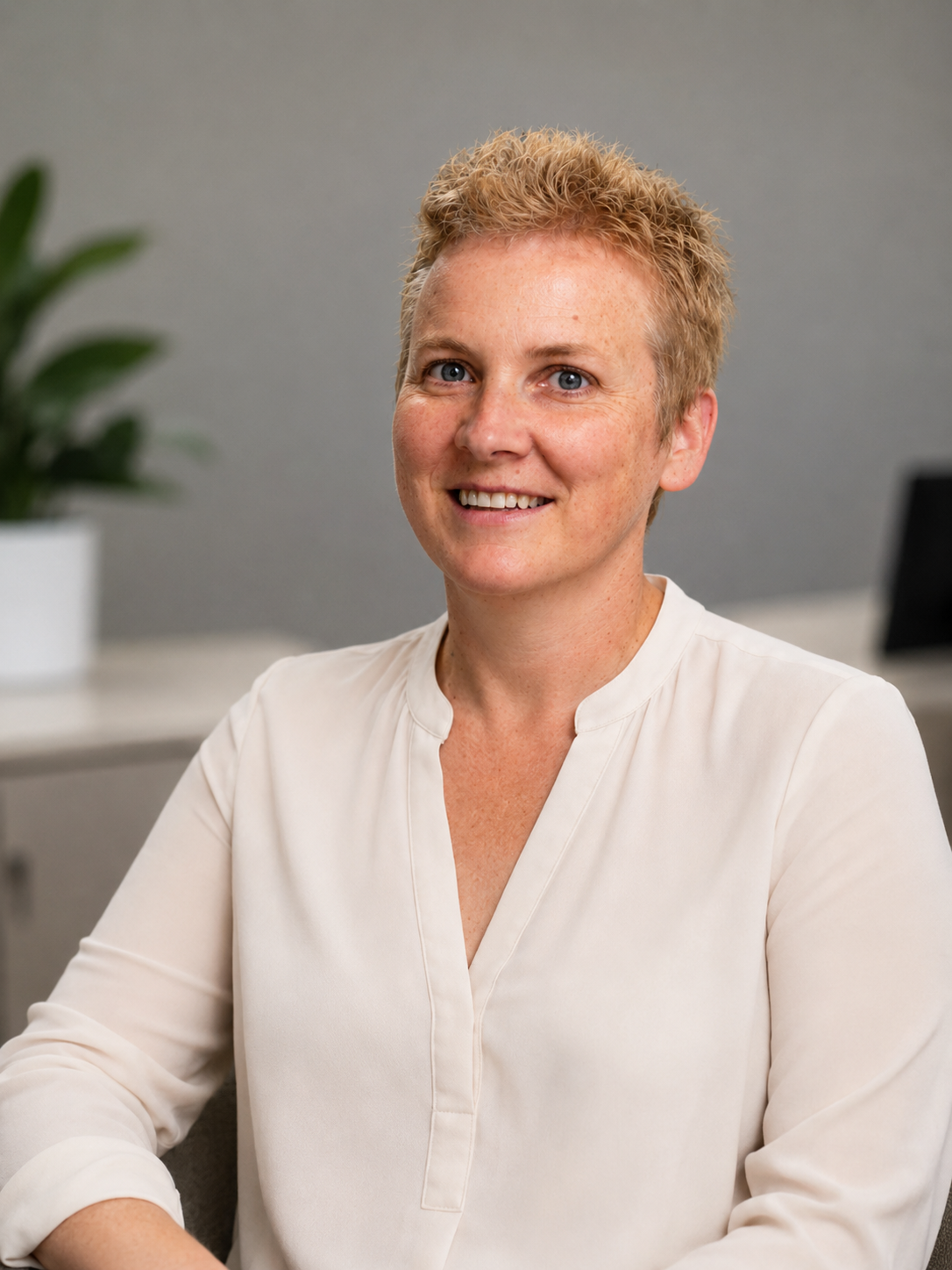
Melanie Coxon
Barrister
Thirty plus years, and the discharges to show for them.
Melanie Coxon has practised as a barrister since 1993 — District Court, High Court and Court of Appeal. She is a barrister sole: the person you speak to on the first call is the person who writes your submissions and stands up in court. In that time she has had no Law Society complaint of any kind.
Section 106 applications are the most demanding and most document-heavy work in the practice. Our own records hold more than thirty — drink driving, careless use causing injury, assault, dishonesty, drugs, sustained loss of traction — across clients whose problem was the same: a conviction would have ended something they had spent years building.
"Her ability to break down a complicated matter, identify the right path forward, and approach everything with professionalism and calm was genuinely impressive."
Adrian Vroegh · Google review, December 2025
A discharge is not quite the same as never having been charged.
In law, a discharge under section 106 is deemed to be an acquittal. There is no conviction, nothing to declare when a form asks about convictions, and nothing on a standard Ministry of Justice criminal record check. Three things still surprise people, so we'd rather say them here.
You can still be disqualified from driving. The court can still order disqualification, reparation, costs and a donation to charity as a condition of the discharge. On drink-drive matters a six-month disqualification alongside it is common in our own cases — and you can usually then apply for a work or limited licence on top.
Some forms ask about charges, not convictions. Several countries' visa applications, and some vetting processes, ask whether you have ever been charged. A discharge doesn't erase that, though it is still a far better answer to give.
The police record still exists, and the charge and its outcome can be seen in a full police vetting check for certain roles.
None of that is a reason not to apply. It is a reason to know what you're buying.
Once the judge enters a conviction, this door closes.
An application for a discharge has to be made before you are sentenced. After that your only route is an appeal to the High Court — slower, dearer, and far harder to win.
And the evidence takes longer to assemble than anyone expects. A CADS alcohol and drugs course runs about 8 weeks. An anger management programme can run 16. An employer's letter takes a fortnight of nerve before it takes a fortnight to arrive. A registration body may take a month to answer.
If you have a sentencing date, ring today. If you've just been charged, this is the best week you'll get.
Discharges granted
Different charges, different people, one thing in common: by the time the judge read the submissions, most of the work had already been done.
Cabin crew, drink driving → discharged without conviction
Two separate international flight attendants, both with readings over 600, both of whom would have lost the right to work the routes their jobs depended on. Each completed an alcohol and drugs course, a defensive driving course and voluntary community work, and wrote to the judge. Both were discharged, and both were still disqualified from driving for six months.
Researcher, careless driving causing injury → discharged without conviction
An academic applying for a position overseas, where a conviction risked both the immigration requirements and the appointment. She completed a defensive driving course and voluntary community work, paid reparation and wrote a letter of apology. Discharged.
Health professional, drink driving → discharged without conviction
Stopped at a checkpoint with a low reading and no bad driving, but a conviction would have cost the hospital access their work depended on. Completed a CADS course, a defensive driving course and voluntary community work, and wrote a letter of apology to the court. Discharged, disqualified six months.
Builder with a government contract → discharged without conviction
A low reading at a checkpoint, and a construction contract that would have been lost on conviction. Eight weeks of CADS, voluntary community work, a defensive driving course and a letter of apology. Discharged.
Section 106 questions
-
Yes — and this surprises nearly everyone. A discharge isn't a way of avoiding a finding of guilt; it's what can happen after one. The charge has to be proved, by your plea or at a hearing, and then the judge decides whether to convict.
If you think you're not guilty, that's a defended hearing and it should happen first. What you should not do is plead guilty at a first appearance before anyone has read the police disclosure.
-
Three questions, in order — the approach set by the Court of Appeal. Judges don't decide these on sympathy.
How serious was the offending? Your version of it, not the worst version of the charge — and what you have done since counts on this side of the scale.
What would a conviction cost you? For you specifically, not for a person in your position. A matter of proof, not argument, and where most applications are won or lost.
Is the consequence out of all proportion to the offending? Not "harsh". Not "unfair". Out of all proportion. Only then does the court have a discretion — and it usually grants it, though the police often oppose.
An application that spends all its energy on how sorry you are, and none on the arithmetic, loses at question two.
This describes how these applications are decided in New Zealand under sections 106 and 107 of the Sentencing Act 2002 and the approach set by the Court of Appeal. It isn't advice on your case.
-
Usually six to nine months from being charged — the courses set the clock, not the court. Our own files have run from a few months to over a year where the offending was more serious. The longest parts are the ones that depend on other people: the employer's letter, the registration body's answer, a restorative justice conference.
-
Usually yes. A discharge and a disqualification can sit together, and a disqualification is what a work or limited licence is for. One of the clients above did exactly that. There are exceptions — taxi and passenger-service drivers can't drive on a limited licence at all, which is why the taxi driver in that list needed the discharge itself.
-
You're convicted and sentenced, and the work you did still counts towards the sentence — that's the honest answer, and it's why the effort is worth making either way. A refusal can be appealed to the High Court, and we have won one there after a District Court judge declined. An appeal is separate work at a separate fee, and whether one is worth bringing depends on the reasons the judge gave.
-
No. Appointments are by phone or Zoom and clients throughout New Zealand are represented this way, often without ever attending court.
Find out whether you'd get one.
One appointment, $230, phone or Zoom, usually the same day. You'll come off the call knowing whether a discharge is realistic in your case, what the court would need to be shown, which documents you'd have to start chasing this week, how long it's likely to take, and what it will cost.
If the answer is that it isn't realistic, you'll be told that on the first call rather than after the first invoice.
What our customers say
Melanie acts for clients throughout New Zealand — Invercargill to Cape Reinga. You won't need to travel to Auckland, and she can often cover the interim appearances so you're not taking days off work.